
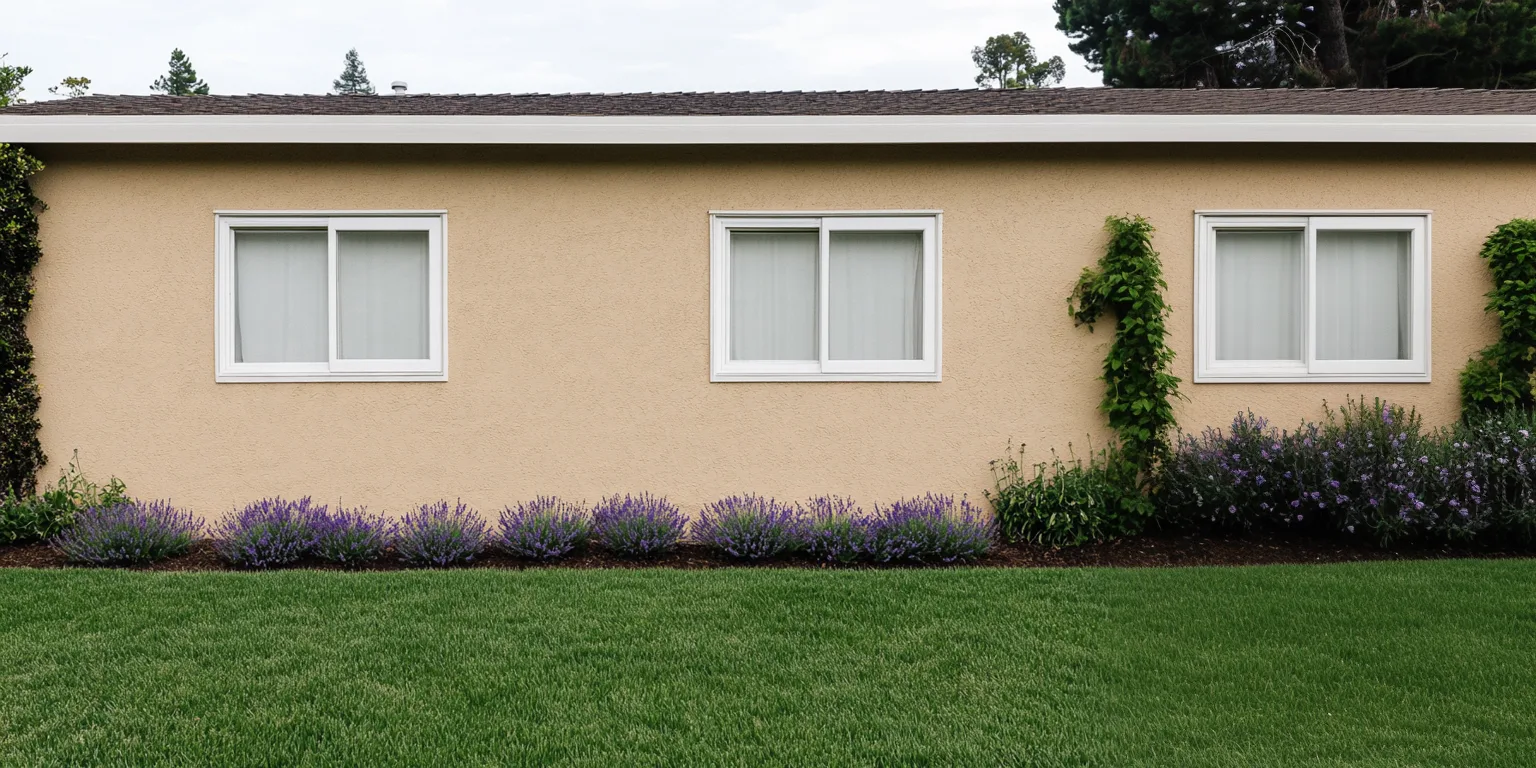
Vinyl makes up most of the windows we install, and the reasons are practical. It doesn't rot in the fog, it never needs scraping and painting, and a good vinyl unit seals tighter than the aluminum or wood window it replaces. In Mill Valley, where damp air sits in the canyons for half the year, homeowners like that there's nothing on the frame to swell or grow mildew. Over in Corte Madera, where plenty of homes still have their original builder-grade sliders, vinyl is usually the most affordable way to bring every window in the house up to modern standards at once. Today's frames also come in more colors and slimmer profiles than the chunky white vinyl of twenty years ago.
Here's how to tell when vinyl is a good fit, what separates a solid vinyl window from a cheap one, how we install them and how they hold up in Marin's weather. If you're still weighing materials, our window replacement page explains retrofit and full-frame installs for every frame type and how to read the energy label.
When Vinyl Is the Right Call
Vinyl makes the most sense when you want the biggest jump in comfort for the money and you'd rather never think about your windows again. It's a strong match for stucco ranch homes, split-levels and newer construction, where the windows are mostly standard sizes and the look is clean and simple. It's also a smart pick for rentals and in-law units, where low upkeep matters more than anything. Where vinyl is less ideal: very large openings, where a stiffer frame holds its shape better, and older homes where the owner wants real wood on the inside. We'll tell you honestly if another material suits a particular room better.
What Separates a Good Vinyl Window From a Cheap One
From across the room, most vinyl windows look alike. The differences are inside the frame. Better windows have fusion-welded corners, where the frame pieces are melted together instead of screwed, so the joints don't loosen or leak. The frame itself is hollow and divided into chambers, and more chambers mean better insulation and a stiffer frame. Some makers fill those chambers with foam for extra efficiency. The glass matters just as much. Look for dual-pane units with a low-E coating, a microscopically thin metal layer that reflects heat, and argon gas sealed between the panes. The spacer that separates the two panes counts too. A warm-edge spacer cuts the condensation you see along the bottom of cheaper glass on cold mornings.
How We Install Vinyl Windows
Most vinyl jobs are retrofits, which keeps the work fast and clean. We measure every opening at three points across the width and three down the height, because Marin houses settle and an opening that's off by a quarter inch needs a window built to fit. When the windows arrive, we remove the old sashes, inspect the existing frame for rot or corrosion, and set the new unit on shims so it sits level and operates smoothly. Then we seal the perimeter, fill the gap with low-expansion foam that won't bow the frame, and finish with trim inside and out. Last, we test every window with you, check the locks and screens, and leave the glass clean.
How Vinyl Holds Up in Marin Weather
Vinyl handles coastal damp better than almost anything, since there's no wood to rot and no metal to corrode near the bay. Heat is the factor to plan around. Vinyl expands and contracts more than fiberglass or wood as temperatures change, and dark colors soak up more sun. On a south- or west-facing wall in Novato or the hills above San Rafael, a black or bronze vinyl frame works hardest. Manufacturers handle this with heat-reflective finishes on dark colors, and we'll steer you toward those for sunny walls. White, tan and light gray frames are the most forgiving. Kept clean with mild soap and water, a quality vinyl window should give you decades of trouble-free use.
For a big picture window or a wall of glass where you want slimmer frames, compare these with our fiberglass windows.
Common Questions
A well-made vinyl window typically lasts 20 to 40 years. The frame itself rarely fails. What wears out first is usually the seal on the glass unit or the balance hardware, and both can often be replaced without changing the whole window. Light colors, a careful install and keeping the weep holes at the bottom of the frame clear all help a vinyl window reach the long end of that range.
We don't recommend it. Paint doesn't bond well to vinyl, and dark paint absorbs heat that can warp the frame. Many manufacturers also void the warranty once a frame has been painted. If you want a color other than white, order it from the factory. Most lines offer tan, bronze, black and woodgrain finishes made to handle the sun.
They can if the wrong product goes in. Thick frames and flat white plastic look out of place on a 1920s bungalow. A slim-profile frame, a color that matches the trim and a grille pattern that copies the original windows make a big difference. For homes where the original character matters most, we may point you toward wood-clad instead.