
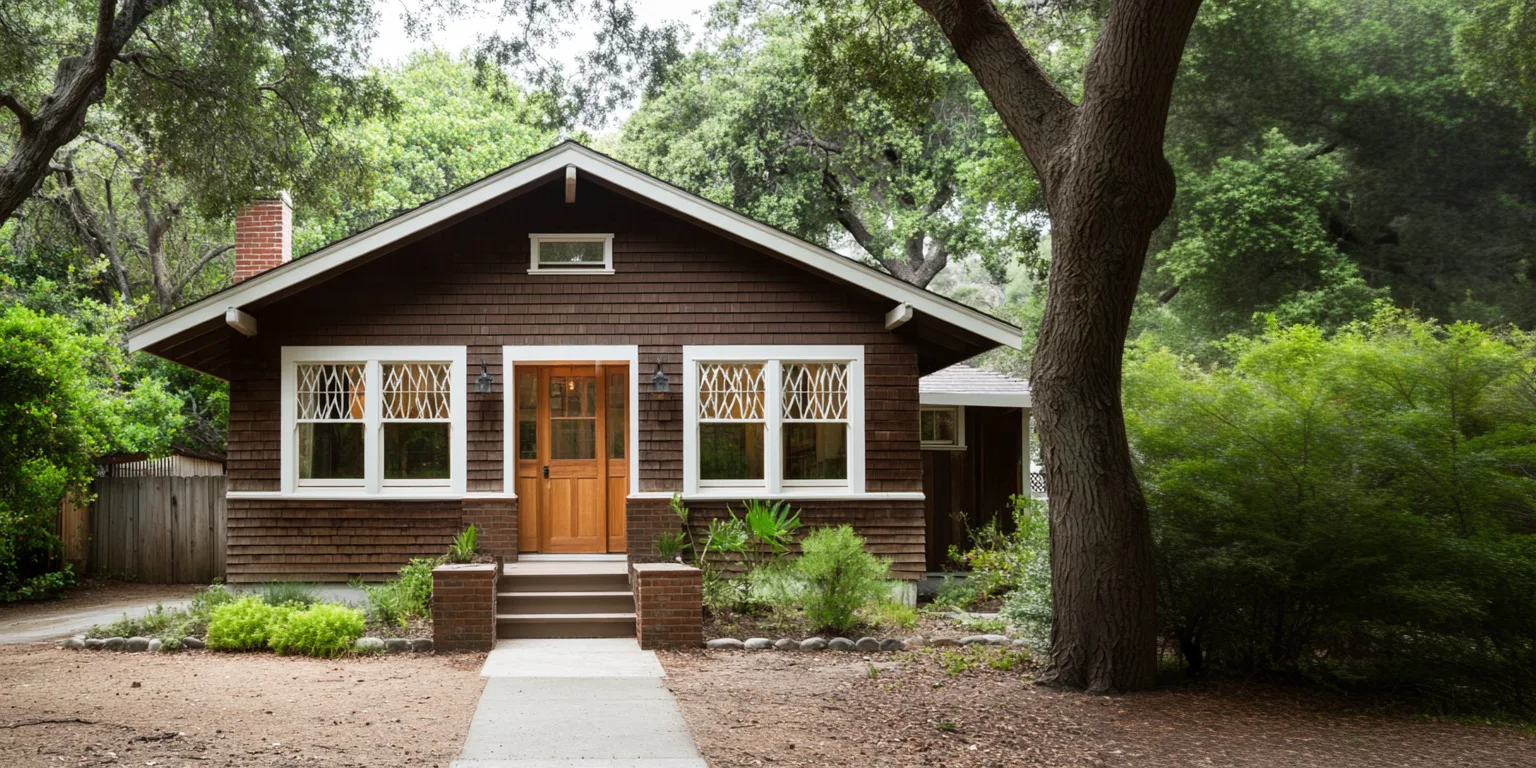
Some houses just look wrong with anything but wood windows. Think of the brown-shingle cottages under the oaks in Kentfield, or the craftsman homes on the older streets of Fairfax, where the window trim is half the charm. Wood has a warmth other materials can't quite copy, and it can be stained or painted to suit the room. The catch has always been upkeep. Bare wood exposed to Marin's winter rain and summer fog eventually swells, cracks and rots, usually starting at the bottom rail where water sits. That's why most of the wood windows we install today are clad: solid wood on the inside, with a tough aluminum or fiberglass shell on the outside that sheds the weather.
Below are the signs your current wood windows are past saving, the real difference between solid and clad wood, how we install them, and how we keep an older home's character intact. If a few of your old sashes might still be worth saving, start with our window repair page, since a good repair can buy you years. We'll tell you plainly which way we'd go.
Signs Your Wood Windows Are Past Saving
Press a screwdriver gently into the bottom rail of the sash and the sill under it. If it sinks in or the wood feels spongy, there's rot. A small soft spot can be fixed with epoxy consolidant, but rot that runs along the whole sill or into the frame usually means replacement. Other signs: paint that peels again within a year or two of being redone, dark staining that keeps coming back, corner joints on the sash that have pulled apart, and glazing putty that's cracked and falling out. Sashes painted shut, or so swollen they won't slide, are common in older Marin homes and aren't always fatal on their own. Combine them with rot and drafts, and new windows start to pay for themselves.
Solid Wood vs Clad Wood, and What Cladding Actually Is
A solid wood window is wood all the way through, inside and out. It gives you the most freedom on color and finish, and it's the closest match for a historic home, but the outside needs fresh paint every several years to stay sealed. A clad window starts with the same wood frame and sash, then wraps the exterior in a thin skin of extruded aluminum or fiberglass with a factory-baked finish. Inside, you still see and touch real wood that can be stained or painted. Outside, there's nothing to scrape. Grilles are the other big choice. True divided lites use separate small panes of glass, while simulated divided lites bond bars to both faces of one insulated pane, which looks nearly identical and insulates far better.
How We Install Wood and Clad Windows
Wood windows reward a careful install. We start by measuring each opening and checking the existing frame for rot, since a new window set into soft wood won't last. Where the frame is sound, a clad insert can go in with little disturbance to your trim. Where it isn't, we do a full-frame install and replace the damaged framing before the new unit goes in. Every window gets flashing tape at the sill and sides so any water that gets behind the siding drains out instead of into the wall. We shim, fasten and insulate, then reinstall or replace the interior casing. If you plan to paint or stain the interior wood yourself, we leave it sanded and ready.
Keeping the Character of an Older Home
On a house with history, the goal is new windows that look like they've always been there. That comes down to a few details. Sightlines, the width of frame and sash you see from the street, should be close to the originals. The grille pattern should match what the house started with, like six-over-one on a craftsman or a multi-pane casement on a Tudor-style home. Exterior color should suit the trim, and the interior wood should take the same stain as your floors or built-ins. If your home sits in a design-review or historic area, check with your town's planning department before ordering. We can provide product drawings and specs for that review.
When only part of the house needs that level of detail, a full window replacement plan can mix clad wood on the street side with lower-cost options in the back.
Common Questions
It depends almost entirely on upkeep. Kept painted and sealed, wood windows can last for generations, and plenty of originals in Marin's older homes are still working. Once that protection lapses, rot can set in within a few wet winters. Clad windows shift most of the weather protection to the factory finish on the outside, so they hold up with far less attention from you.
Sometimes. If the wood is mostly sound and the sashes are old-growth lumber worth keeping, restoration plus new weatherstripping can make them work well again and keeps the original look. If rot runs through the frame, or the windows are single-pane and you want real energy savings, replacement usually comes out ahead. We look at each window and give you a straight answer on which way to go.
Very little on the outside. Wash the cladding when you wash the glass, keep the weep holes at the bottom clear, and check the exterior caulk every few years. The interior wood is like any other wood trim in your house. If it's painted, touch it up as needed. If it's stained, a fresh coat of clear finish every so often keeps it looking new.